
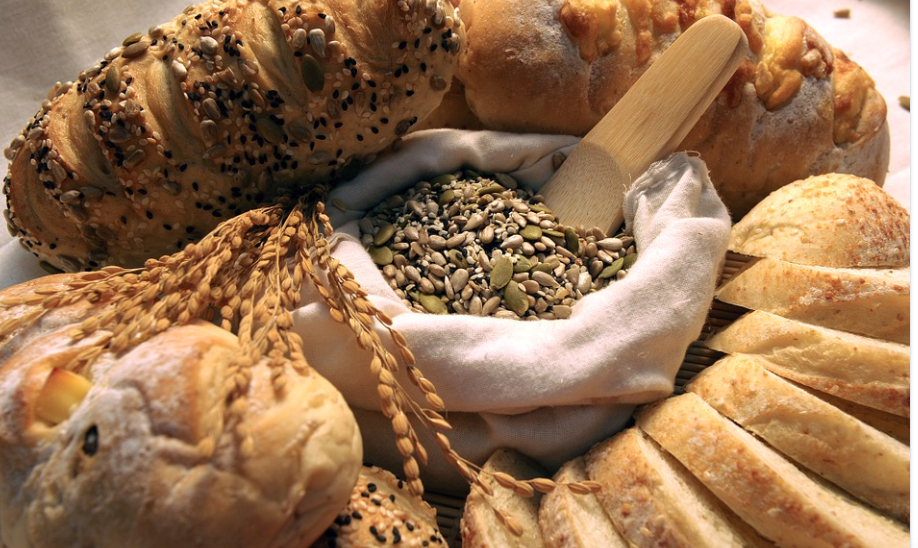
What is Gluten Free food?

What is Gluten?

Gluten is a protein found in wheat, rye, barley, triticale, and oats. In people with celiac disease, eating or drinking anything containing gluten causes different symptoms and damage to the lining of the small bowel. Gluten is not only commonly blamed for gut symptoms experienced by people with irritable bowel syndrome (IBS) but many other issues secondary to gluten diet such as inflammation. However, recent research suggests that the carbohydrate component in wheat, rye, and barley is more likely to be the cause of the problem.
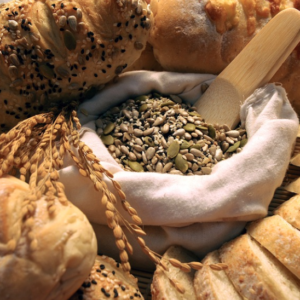
Examples of foods that contain gluten (unless labeled gluten-free):

  • cereal and baking products –  cornflour, freekeh, spelt, semolina, couscous, wheat bran, barley, oats, breakfast cereals containing wheat, rye, oats or barley, cereals made from corn or rice that also contain malt extract from barley, some icing sugar mixtures, and some baking powders
  • pasta and noodles – spaghetti, pasta, lasagne, gnocchi, Hokkien noodles, soba noodles, and two-minute noodles
  • bread, cakes and biscuits – all bread (including spelt and sourdough), pizza, cakes, pastry and biscuits prepared with gluten-containing flours
  • meat products – any products prepared with breadcrumbs or batter, sausages and other processed meats or smallgoods, marinaded meats thickened soups, meat pies, and frozen meals
  • dairy products – malted milk, ice cream cones
  • fruits and vegetables – textured vegetable protein (found in some vegetarian products) and fruit-pie filling
  • condiments – malt vinegar, some mustards, relishes, pickles, salad dressings, stock, sauces, gravy and yeast extract from barley
  • snacks – licorice, some lollies, some chocolates, packet savory snacks, and some flavored potato chips and corn chips, muesli bars
  • drinks – coffee substitutes made from cereal, and some milk-drink powders
  • alcoholic drinks – beer, stout (such as Guinness), ale, and lager (most beers contain gluten, but many alcoholic drinks are available that are gluten-free
The good news is that many metropolitan cities now offer gluten-free options in stores and restaurants. Check our next month’s issue on how to avoid gluten contamination and a list of gluten-free foods.

Not all types of oats are the same:
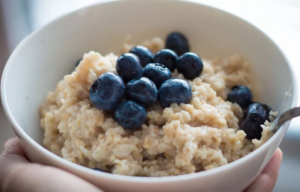
The current tests for gluten in food can measure the gluten in wheat, barley, and rye but not oats, as it is a slightly different protein. Oats can contain gluten and also can increase your blood sugars. If you are gluten sensitive, please check with your physician. If you must have oats, Rolled oats are better for diabetics than instant oats as they have a low glycemic index. Again, please check with your medical team on what is their best recommendation for you on oats controversy.

Evidence shows that uncontaminated oats are well tolerated by most people with coeliac disease. However, in some people with celiac disease, oat consumption can trigger a potentially harmful immune response. Please note that the absence of symptoms when consuming oats does not necessarily indicate they are safe – bowel damage can still occur despite the absence of symptoms.

It is recommended that individuals who wish to consume oats as part of their gluten-free diet do so under medical supervision to ensure appropriate review and safety. Gastroenterologists are able to check for gluten sensitivity or celiac disease by doing certain specialized tests.

Source: Better Health, Australia

Educate Yourself: Cannabis as Medicine

Cannabis for medical use is a frequent question from patients. Cannabis is most often medically used for patients undergoing chemotherapy or suffering from HIV. A certain type of THC was approved for nausea and vomiting for chemotherapy patients in 1986 and it is widely used by oncologists for this purpose. THC was also approved for anorexia for HIV patients; however, some data showed it was less effective. The U.S. Food and Drug Administration (FDA) has approved synthetic THC-based medications, and research is currently underway about the long term effects.

A cannabis plant contains 400 chemical compounds and there are 70-120 chemicals and 21 carbons that have many medicinal properties. The plant is a rich source of compounds that can benefit patients in different ways. A lot of research in cannabis has been studied over the years in animals. This page is for educational purposes only. Please check the National Institute on Drug Abuse’s website on Marijuana as Medicine.


History: Cannabis was originally discovered in China, and then brought to India, making its way to the Arab world and eventually to the Western world. A surgeon in the UK brought cannabis to Queen Elizabeth to relieve her menstrual cramps and then brought it to the United States in 1937 for doctors to try on patients. The medical community has wanted to study cannabis for medical use since 1937 but the government has always opposed it and continued to classify as a schedule 1 drug for abuse. Opioid drugs are considered schedule 2 drugs.

       So why do we have the endocannabinoid (ECS) and cannabinoid receptors? They help us forget what we just did a couple of minutes ago so that you can be “here and now” and “focus” on being present. The ECS acts as a messenger, giving your body specific directions on what to do in your brain, spinal cord, cells and in your day to day functions. It also helps us forget pain. So the overall effect of the CB1 receptor activation is the suppression of neurotransmitter release. These cell receptors act as messengers, giving our body signals from various organs in the body. ECS attacks certain enzymes in your body and makes you sick. Cannabis, like CBD, can attack these enzymes and regulate your ECS to help you feel good and create balance in the body known as homeostasis, creating a therapeutic condition for certain symptoms

      CBD Cannabidiol: Cannabidiol, also known as CBD, is found in the cannabis plant. Over 100 cannabinoids are found in this plant, including hemp and marijuana. However, CBD comes only from hemp, a plant that has been used in many cultures in food, and it does not have psychoactive effects, thus there is no “high”. Research is ongoing on the potential use of topical and oral CBD oil, which does not have THC and therefore no psychoactive effects, making it a potentially safer alternative in this respect.
CBD is not as potent as THC. The CBD to THC ratio has never been studied in humans, only in animals. It seems to relieve anxiety and helps people sleep. But, it cannot do that without having some psychoactivity in the brain. Research has shown that it is not intoxicating but it can be psychoactive and create euphoria in some people depending on how that person’s CB1 receptor is reacting. CBD capsules are considered schedule 1-abusive category by NIDA – the government that rules the Cannabis use. But since medical marijuana products are still not subject to the same federal safety regulations that govern pharmaceuticals, there is no guarantee that CBD oils are accurately labeled or do not contain contaminants; also, with such products, it may not be possible for a patient or their caregivers to accurately control the dosage or even know what dosage is being administered per NIDA. Therefore, the quality depends on how it was planted and developed.

       Cancer/HIV patient use: A certain type of THC was approved for nausea and vomiting for chemotherapy patients in 1986 and it is widely used by oncologists for this purpose. THC was also approved for anorexia for HIV patients; however, the data indicates it may not be as helpful. The U.S. Food and Drug Administration (FDA) has approved THC-based medications, prescribed in pill form for the treatment of nausea in patients undergoing chemotherapy and to stimulate appetite in patients with wasting syndrome due to AIDS. The FDA also approved a CBD-based liquid medication called Epidiolex® for the treatment of two forms of severe childhood epilepsy, Dravet syndrome, and Lennox-Gastaut syndrome. Animal studies showed that THC in animals reduced cancer but it is not approved for human use by the government that controls the cannabis use for medicine-NIDA. The government is still exploring other uses of CBD, THC, and other cannabinoids for medical treatment.
For updates, PLEASE VISIT NIDA
-Source: “Cannabis as medicine” by Dr. Donald Abraham, Oncologist, UCSF (2016)