What is Gluten?
Gluten is a protein found in wheat, rye, barley, triticale, and oats. In people with celiac disease, eating or drinking anything containing gluten causes different symptoms and damage to the lining of the small bowel. Gluten is not only commonly blamed for gut symptoms experienced by people with irritable bowel syndrome (IBS) but many other issues secondary to gluten diet such as inflammation. However, recent research suggests that the carbohydrate component in wheat, rye, and barley is more likely to be the cause of the problem.
Examples of foods that contain gluten (unless labeled gluten-free):
-
cereal and baking products – cornflour, freekeh, spelt, semolina, couscous, wheat bran, barley, oats, breakfast cereals containing wheat, rye, oats or barley, cereals made from corn or rice that also contain malt extract from barley, some icing sugar mixtures, and some baking powders
-
pasta and noodles – spaghetti, pasta, lasagne, gnocchi, Hokkien noodles, soba noodles, and two-minute noodles
-
bread, cakes and biscuits – all bread (including spelt and sourdough), pizza, cakes, pastry and biscuits prepared with gluten-containing flours
-
meat products – any products prepared with breadcrumbs or batter, sausages and other processed meats or smallgoods, marinaded meats thickened soups, meat pies, and frozen meals
-
dairy products – malted milk, ice cream cones
-
fruits and vegetables – textured vegetable protein (found in some vegetarian products) and fruit-pie filling
-
condiments – malt vinegar, some mustards, relishes, pickles, salad dressings, stock, sauces, gravy and yeast extract from barley
-
snacks – licorice, some lollies, some chocolates, packet savory snacks, and some flavored potato chips and corn chips, muesli bars
-
drinks – coffee substitutes made from cereal, and some milk-drink powders
-
alcoholic drinks – beer, stout (such as Guinness), ale, and lager (most beers contain gluten, but many alcoholic drinks are available that are gluten-free
The good news is that many metropolitan cities now offer gluten-free options in stores and restaurants. Check our next month’s issue on how to avoid gluten contamination and a list of gluten-free foods.
Not all types of oats are the same:
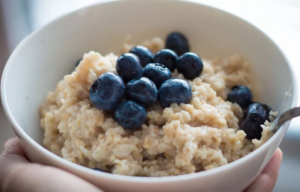
The current tests for gluten in food can measure the gluten in wheat, barley, and rye but not oats, as it is a slightly different protein. Oats can contain gluten and also can increase your blood sugars. If you are gluten sensitive, please check with your physician. If you must have oats, Rolled oats are better for diabetics than instant oats as they have a low glycemic index. Again, please check with your medical team on what is their best recommendation for you on oats controversy.
Evidence shows that uncontaminated oats are well tolerated by most people with coeliac disease. However, in some people with celiac disease, oat consumption can trigger a potentially harmful immune response. Please note that the absence of symptoms when consuming oats does not necessarily indicate they are safe – bowel damage can still occur despite the absence of symptoms.
It is recommended that individuals who wish to consume oats as part of their gluten-free diet do so under medical supervision to ensure appropriate review and safety. Gastroenterologists are able to check for gluten sensitivity or celiac disease by doing certain specialized tests.
Source: Better Health, Australia